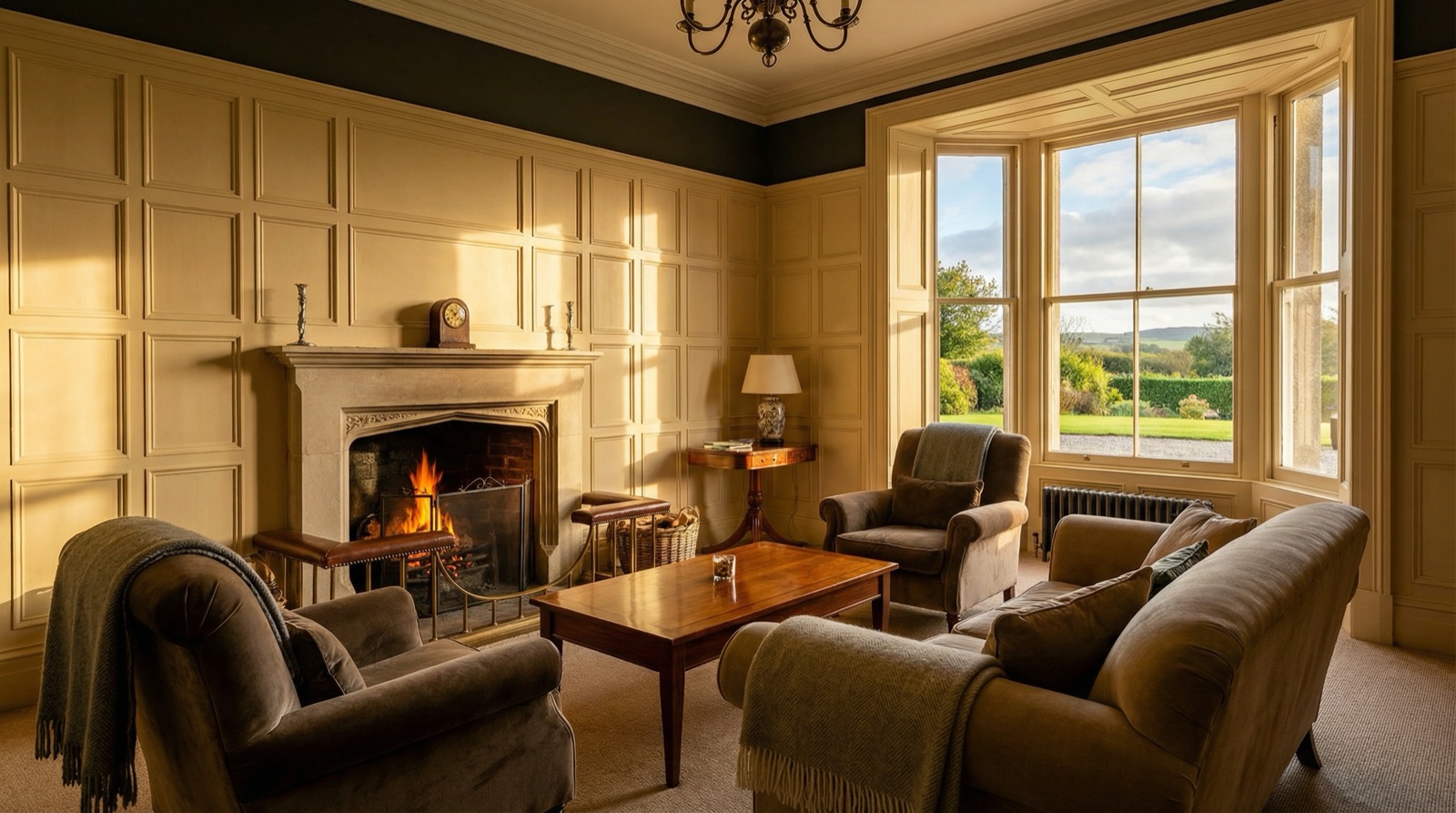
Wall panelling is one of the most popular interior upgrades in modern homes. It adds character, depth, and style while also protecting your walls.
One of the most common questions homeowners ask before installing it is: How long does wall panelling actually last?
At RS Interiors, wall panelling is our speciality. We install panelling in all types of homes, from modern new builds to traditional properties. In this blog, we will explain how long wall panelling lasts, what affects its lifespan, and how to make it last as long as possible.
What Is Wall Panelling?
Wall panelling is a decorative covering installed on interior walls. Instead of flat, plain walls, panelling adds structure and design.
Wall panelling can be used in:
- Living rooms
- Bedrooms
- Hallways
- Staircases
- Dining rooms
- Bathrooms
It can cover:
- Full walls
- Half walls
- Just the lower section of a wall
Along with improving how a room looks, wall panelling also protects walls from everyday damage like scuffs, dents, and marks.
Why Is Wall Panelling So Popular?
Wall panelling has grown in popularity for a few simple reasons:
- It instantly upgrades the look of a room
- It adds value to your home
- It protects your walls
- It works with modern and traditional designs
- It lasts for decades
Unlike many design trends, wall panelling has been used for hundreds of years and never really goes out of style.
Average Lifespan of Wall Panelling
So, how long does wall panelling last?
In most homes, wall panelling lasts between 20 and 50 years. With proper installation and care, it can last even longer.
The lifespan depends on:
- The material used
- The quality of installation
- Where it is installed
- How well it is maintained
Let's go through each factor in detail.
1. Materials Used for Wall Panelling
MDF Wall Panelling
MDF (Medium Density Fibreboard) is one of the most common materials used today.
Average lifespan: 20-30 years (often longer)
Why MDF is so popular:
- Strong and stable
- Smooth finish for painting
- Does not warp easily
- Cost-effective
When professionally installed and painted properly, MDF wall panelling can stay in excellent condition for decades.
Solid Wood Wall Panelling
Solid wood is a premium and traditional choice.
Average lifespan: 40-50+ years
Why solid wood lasts so long:
- Very strong and durable
- Can be sanded and repainted
- Ages well over time
Solid wood is more expensive and needs expert installation to handle natural movement caused by temperature and humidity changes.
Moisture-Resistant or PVC Panelling
This type of panelling is often used in bathrooms and kitchens.
Average lifespan: 20-30 years
Benefits include:
- Water resistance
- Easy cleaning
- Low maintenance
It may look slightly different from wood panelling, but it performs very well in damp areas.
2. Quality of Installation
Installation quality plays a huge role in how long wall panelling lasts.
Poor installation can cause:
- Loose panels
- Gaps appearing over time
- Uneven lines
- Cracked or peeling paint
Professional installation ensures:
- Panels are securely fixed
- Lines are straight and clean
- Joints are neat
- The panelling stays solid for years
At RS Interiors, we install panelling with long-term durability in mind, not just how it looks on day one.
3. Where the Panelling Is Installed
Living rooms and bedrooms
These rooms are low-risk environments. Wall panelling here often lasts 30 years or more with very little maintenance.
Hallways and staircases
These areas experience more bumps and knocks.
The benefit of panelling is:
- It protects the wall behind it
- Damage is less noticeable
- Repairs are easier
In many homes, panelling lasts longer than painted walls in these spaces.
Bathrooms and kitchens
Moisture and steam can affect panelling if it is not installed correctly.
With:
- Proper sealing
- High-quality paint
- Good ventilation
Wall panelling can perform just as well in bathrooms as it does in living spaces.
4. Paint and Finish
Paint is not just decorative, it protects the panelling.
Good-quality paint:
- Seals the surface
- Helps prevent moisture damage
- Makes cleaning easier
- Most wall panelling never needs replacing. It simply gets repainted every 8-12 years to refresh the look.
The structure stays the same, the colour changes.
Does Wall Panelling Ever Need Replacing?
In most cases, no.
Wall panelling usually only needs replacing if:
- There has been serious water damage
- It was poorly installed originally
- A full redesign is planned
Most homeowners simply repaint or refresh their panelling instead.
How to Tell If Your Wall Panelling Is Still in Good Condition
Your wall panelling is likely in good shape if:
- It feels solid when touched
- There are no large gaps or cracks
- Paint sits smoothly
- Panels are firmly fixed
Small chips or marks are normal and easy to repair.
How to Make Wall Panelling Last Longer
Here are simple ways to extend the life of your panelling:
- Clean gently: use a soft cloth and mild cleaner.
- Fix small issues early: minor chips or cracks are easy to repair before they get worse.
- Repaint when needed: a fresh coat of paint protects and refreshes the surface.
- Control moisture: use extractor fans and good ventilation in damp rooms.
The Main 3 Takeaways
- Wall panelling is a long-term feature. Most wall panelling lasts 20 to 50 years or more, making it a durable and reliable upgrade for any home.
- Installation quality matters more than anything. High-quality materials combined with professional installation dramatically increase the lifespan of your panelling.
- Panelling rarely needs replacing. In most cases, wall panelling only needs repainting, not replacement, making it a cost-effective long-term investment.
Is Wall Panelling Worth It?
Yes, wall panelling is absolutely worth it.
It:
- Improves your home's appearance
- Adds long-term value
- Protects your walls
- Works with any interior style
It's not just a design trend, it's a lasting upgrade.
Why Choose RS Interiors?
At RS Interiors, we:
- Use high-quality materials
- Focus on precision and detail
- Install panelling built to last
- Tailor every design to your home
Our goal is simple: wall panelling that looks great now and still looks great decades from now.
Final Thoughts: What Is the Life Span of Wall Panelling?
To sum it all up:
- Wall panelling typically lasts 20-50 years
- Good materials and expert installation are key
- Most panelling doesn't need replacing
- Repainting keeps it looking fresh
- It's a smart, long-term investment
If you're thinking about adding wall panelling to your home, or you'd like advice on maintaining existing panelling, RS Interiors is here to help.